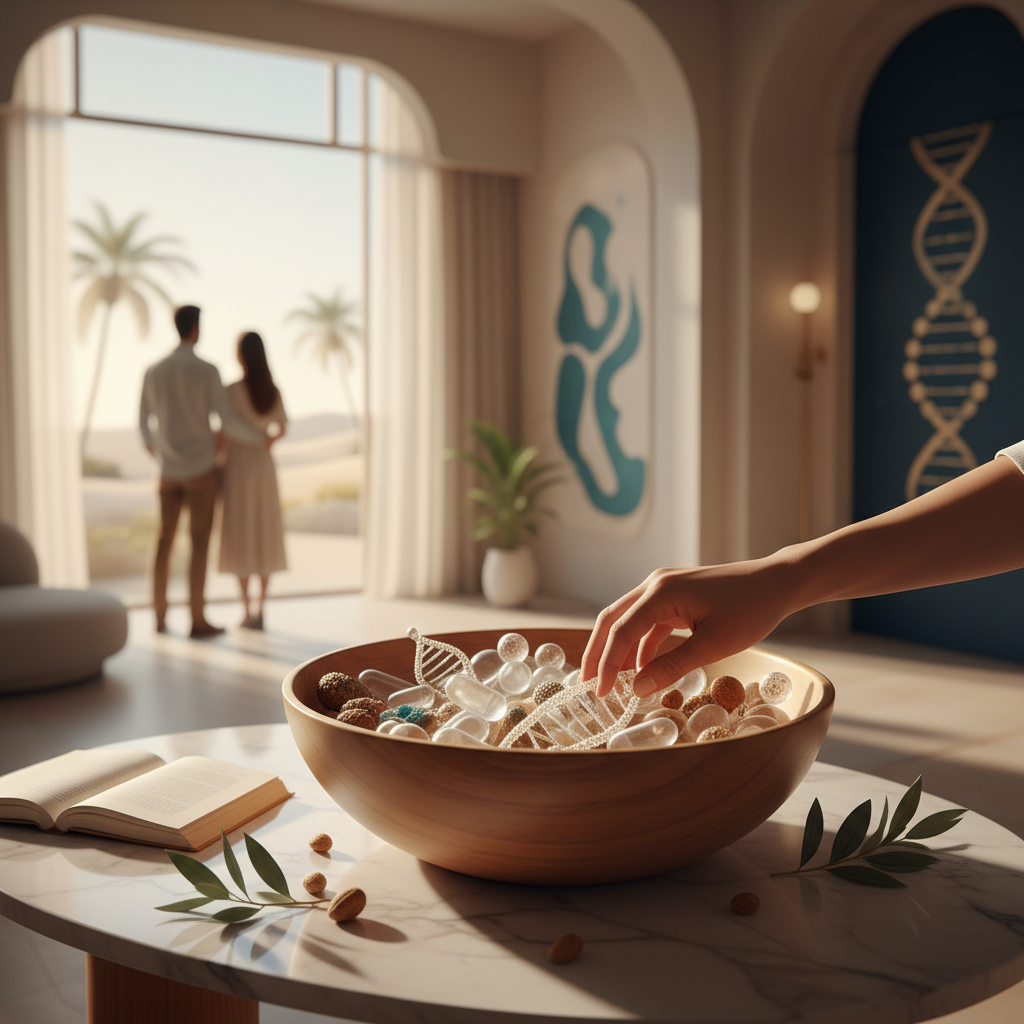

To improve male fertility, focus on a diet rich in antioxidants (berries, leafy greens), healthy fats (nuts, seeds, olive oil), lean proteins, and whole grains. Essential vitamins and minerals like Zinc, Folate, Vitamin C, and Vitamin E are crucial for sperm health. These nutrients protect sperm from damage, support DNA integrity, and enhance sperm motility and count, significantly boosting your chances of natural conception.
- Prioritize antioxidants to protect sperm from damage.
- Include healthy fats like Omega-3s for sperm membrane integrity.
- Ensure adequate intake of essential vitamins and minerals.
- Choose lean proteins and whole grains for sustained energy.
- Understand genetics can influence nutrient metabolism for male fertility.
What Foods Improve Male Fertility?
When you're trying to conceive, both partners' health plays a vital role. For men, optimizing sperm health through nutrition is a powerful step towards fueling fatherhood. A thoughtful male fertility diet can significantly improve sperm quality, count, and motility, paving the way for a healthy pregnancy journey. Understanding what foods for sperm health to prioritize—and why—is key to this journey. Remember, a healthy lifestyle choice is a loving choice for your future family.
The Power of Antioxidants
Antioxidants are your body's defense against oxidative stress, a process that can damage sperm cells and their DNA. Including foods rich in antioxidants in your daily male fertility diet can protect sperm and enhance their viability.
- **Berries:** Blueberries, strawberries, and raspberries are packed with Vitamin C and flavonoids.
- **Leafy Green Vegetables:** Spinach, kale, and broccoli offer Vitamin E, Vitamin C, and Folate.
- **Colorful Vegetables:** Bell peppers, carrots, and tomatoes provide Vitamin C and Lycopene (especially tomatoes when cooked).
- **Nuts and Seeds:** Walnuts, pecans, and sunflower seeds are great sources of Vitamin E and Selenium.
Zinc and Folate: Essential Minerals
These two minerals are superstars for male reproductive health. Zinc is critical for testosterone metabolism, sperm formation, and motility. Folate (Vitamin B9) plays a role in DNA synthesis and can help prevent chromosomal abnormalities in sperm.
- **Zinc-rich foods:** Oysters (a potent source), lean beef, chicken, beans, nuts (especially pumpkin seeds), and whole grains.
- **Folate-rich foods:** Lentils, asparagus, avocado, Brussels sprouts, and fortified cereals.
Healthy Fats for Healthy Sperm
Not all fats are created equal. Omega-3 fatty acids are particularly beneficial for maintaining the structural integrity of sperm cell membranes and improving their motility. These healthy fats are crucial components of a supportive nutrition for conception male strategy.
- **Fatty Fish:** Salmon, mackerel, and sardines are excellent sources of Omega-3s.
- **Seeds:** Flaxseeds and chia seeds, which can be easily added to smoothies or cereals.
- **Nuts:** Walnuts, in particular, contain alpha-linolenic acid (ALA), an Omega-3 fatty acid.
- **Oils:** Olive oil and avocado oil for cooking.
Are There Supplements for Sperm Health?
While a balanced male fertility diet is the foundation, certain supplements for sperm health can bridge nutritional gaps and provide targeted support. It’s always best to consult with a healthcare professional before starting any new supplement regimen, especially when planning for a family. They can help determine if there are specific nutritional deficiencies and recommend appropriate dosages tailored to your needs. This personalized approach ensures you're giving your body what it truly needs.
Key Supplements to Consider
- **L-Carnitine:** Research suggests it can improve sperm motility and morphology.
- **Coenzyme Q10 (CoQ10):** An antioxidant that plays a role in energy production within cells, including sperm, potentially enhancing sperm quality.
- **Selenium:** A trace mineral vital for sperm development and protection against oxidative stress.
- **Vitamin D:** Linked to testosterone levels and sperm quality; many individuals are deficient.
- **Ashwagandha:** An adaptogenic herb that studies indicate may help improve semen parameters and reduce stress.
How Does Diet Affect Semen Quality?
The phrase 'you are what you eat' holds particular truth when it comes to male reproductive health. Your daily dietary choices directly influence the health, quantity, and quality of your sperm. A diet rich in processed foods, unhealthy fats, and excessive sugars can lead to inflammation and oxidative stress, which are detrimental to sperm. Conversely, a balanced and nutrient-dense diet provides the necessary building blocks for healthy sperm production and function (WHO, 2021). Semen quality, encompassing sperm count, motility, and morphology, is a direct reflection of overall male health.
Studies consistently show a strong correlation between healthy eating patterns and improved semen parameters. For instance, a diet akin to the Mediterranean diet, emphasizing plant-based foods, healthy fats, and lean proteins, has been linked to better sperm quality (Salas-Huetos et al., 2017). This highlights that the journey to parenthood is deeply intertwined with daily nourishment and conscious lifestyle choices. Focusing on optimal nutrition for conception male empowers potential fathers to take an active role in their fertility journey.
Genetic Predispositions and Nutrient Absorption
While diet provides the nutrients, how your body utilizes them can be influenced by your genetics. Genetic variations can affect enzyme activity, nutrient absorption, and metabolic pathways, impacting how efficiently your body processes essential vitamins for male fertility like Folate (MTHFR gene variations), Vitamin D, or Zinc. For example, some individuals might have genetic predispositions that lead to poorer absorption of certain vitamins, even with adequate dietary intake.
Understanding these genetic predispositions can offer a more personalized approach to nutrition and supplementation. Premarital genetic testing, part of a comprehensive pre-conception health strategy, can reveal insights into how your body handles certain nutrients or metabolic processes. This knowledge empowers you to tailor your male fertility diet and supplement choices more effectively, ensuring your body receives and utilizes optimal nourishment for sperm health. It's about knowing yourself better to make the best choices for your future family.
Lifestyle Choices Beyond Diet
While nutrition forms a cornerstone of male fertility, it's part of a larger tapestry of healthy lifestyle choices. Factors like maintaining a healthy weight, regular physical activity, managing stress, quality sleep, and avoiding harmful substances (smoking, excessive alcohol) all contribute significantly to overall reproductive health. These choices are interconnected; a good diet supports energy for exercise, and exercise helps manage stress that can otherwise impact hormonal balance. Embracing a holistic approach to wellness is a powerful way to boost your chances of starting a family naturally. Many of these recommendations align with general health advice from the Ministry of Health, Kingdom of Saudi Arabia (Ministry of Health, KSA, 2024), underscoring their broad benefits.
Test Your Male Fertility Nutrition IQ
Making Informed Choices for Your Future
The journey to parenthood is one of excitement and anticipation. By actively engaging with your health, particularly through positive dietary and lifestyle choices, you are laying a strong foundation for your family's future. Nurturing your body through a tailored male fertility diet and considering relevant supplements is a proactive step that showcases your readiness for the responsibilities and joys of fatherhood. It's about performing at your peak, not just for yourself, but for the life you envision creating with your partner.
At NAWA, we understand that every individual and couple is unique. Our premarital genetic testing serves as a valuable tool, offering insights into your shared genetic compatibility and potential predispositions. This knowledge, combined with discussions on nutrition for conception male and other lifestyle considerations, empowers you and your partner to make informed decisions for a healthier and happier family future. It’s a natural piece of preparing for a successful and compatible life together, ensuring you both feel confident and ready to embrace the next chapter.
Shy to Ask? We've Got Answers.
Questions people don't ask out loud — answered plainly.
Is it my fault if we're struggling to conceive?
Fertility challenges are rarely anyone's 'fault.' Conception is a complex process involving many factors from both partners. While lifestyle choices can play a role, blaming yourself is unhelpful. Focus on proactive steps like optimizing your diet, seeking professional advice, and open communication with your partner. Remember, you're a team in this journey.
Are my lifestyle choices negatively impacting my fertility?
Certain lifestyle choices can indeed impact fertility. High stress, lack of sleep, poor diet, smoking, excessive alcohol, or exposure to environmental toxins can all contribute. The good news is that many of these factors are within your control. Making positive changes, like adopting a male fertility diet and healthy habits, can significantly improve your reproductive health. It's about making conscious choices for a better future, not dwelling on past habits.
Will changing my diet guarantee conception?
While optimizing your diet can significantly improve sperm health and increase your chances of conception, it’s not a guarantee. Fertility is multi-faceted. However, a healthy male fertility diet provides the best possible environment for reproductive success and contributes to overall well-being. It's a powerful and positive step regardless of the ultimate outcome.
Frequently asked questions
What is the best diet for male fertility?
A Mediterranean-style diet, rich in fruits, vegetables, whole grains, nuts, seeds, lean proteins, and healthy fats, is often recommended for optimizing male fertility and sperm health. It emphasizes antioxidants and reduces processed foods.
Can certain foods decrease male fertility?
Yes, diets high in processed foods, unhealthy trans fats, excessive red meat, and sugary drinks have been linked to poorer sperm quality and quantity. Limiting these can positively impact fertility.
How long does it take for diet changes to affect sperm quality?
Sperm production (spermatogenesis) takes approximately 72 days. Therefore, consistent dietary changes typically require at least 2-3 months to show noticeable improvements in sperm quality parameters.
Is organic food necessary for male fertility?
While not strictly critical, choosing organic can help reduce exposure to pesticides and herbicides, which some studies suggest may negatively impact endocrine function and, consequently, fertility. Focus primarily on a balanced, nutrient-dense diet.
What role does hydration play in male fertility?
Adequate hydration is crucial for overall health, including reproductive health. Dehydration can affect seminal fluid volume and viscosity, potentially impacting sperm motility. Drinking plenty of water is a simple yet effective step.
Should I avoid caffeine or alcohol when trying to conceive?
Moderate caffeine intake (up to 200mg/day, about two small cups of coffee) generally isn't linked to fertility issues. However, heavy alcohol consumption can negatively impact sperm quality and testosterone levels. It's advisable to limit or avoid alcohol completely when trying to conceive for both partners.
Sources
- [1]World Health Organization. (2021). WHO laboratory manual for the examination and processing of human semen (6th edition).
- [2]Arab, A., & Ahmadieh, H. (2020). The impact of lifestyle on male fertility: A narrative review. Journal of Reproductive Immunology, 140, 103138.
- [3]Salas-Huetos, A., Bulló, M., & Salas-Salvado, J. (2017). Dietary patterns and their association with semen quality parameters and male fertility: A systematic review. Advances in Nutrition, 8(6), 874-892.
- [4]Ministry of Health, Kingdom of Saudi Arabia. (Accessed 2024). Health Awareness Campaigns on Reproductive Health.
Discover Your Genetic Compatibility
Book now