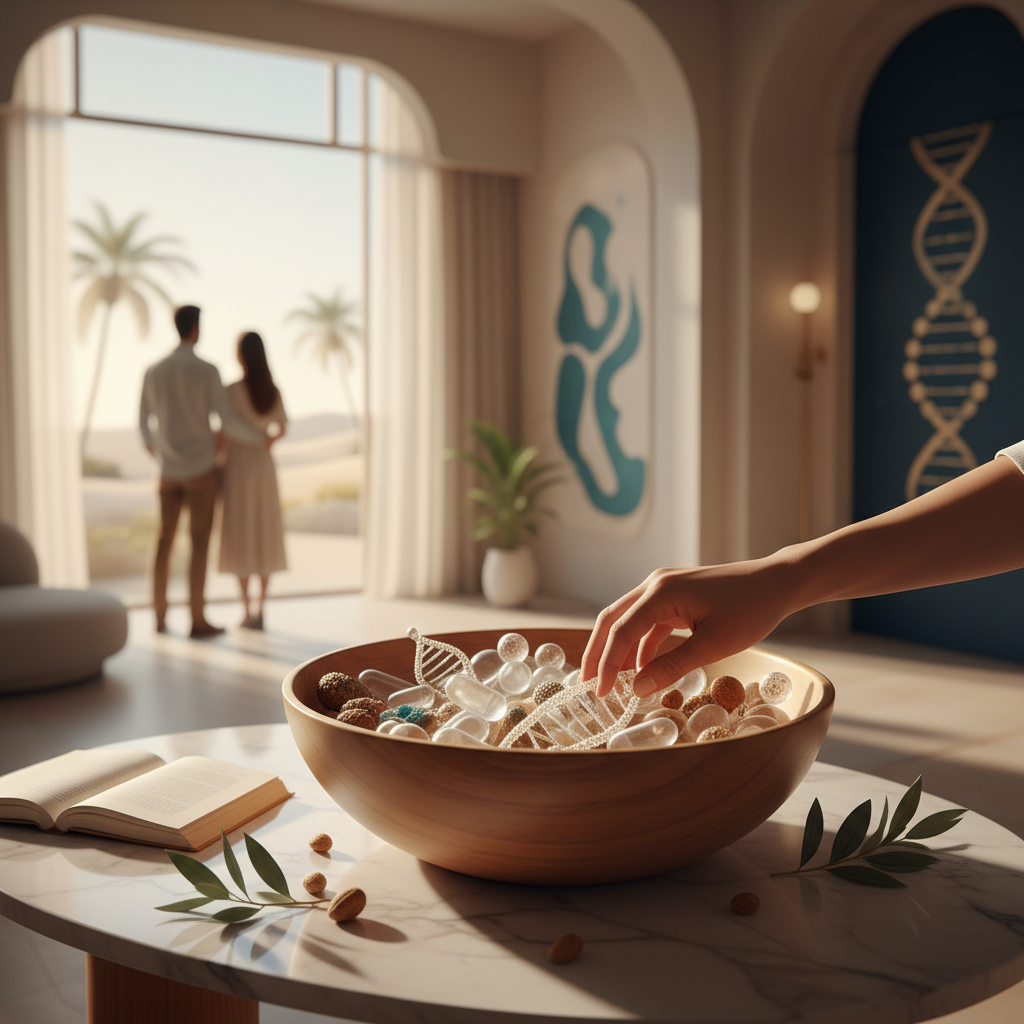
For future parents aiming for a healthy pregnancy, prioritizing a balanced, nutrient-rich diet is paramount. Focus on whole foods like fruits, vegetables, lean proteins, and whole grains. Essential nutrients like folate, iron, calcium, and omega-3s are crucial. NAWA helps by uncovering your unique genetic predispositions, allowing for personalized dietary adjustments that optimize your body for conception and support your baby’s healthy development.
- Prioritize a diverse, nutrient-dense diet before conception.
- Folate, iron, calcium, and omega-3s are key fertility-boosting nutrients.
- NAWA offers personalized dietary insights based on your genetics.
- Making gradual, sustainable dietary changes is more effective.
- Balanced nutrition supports both parents' health for conception and pregnancy.
Nourishing Your Body for a New Beginning
Embarking on the journey to parenthood is one of life's most exciting adventures. As you and your partner consider building a family, preparing your bodies through optimal nutrition forms a crucial foundation. Just as you thoughtfully choose a compatible partner and explore genetic compatibility with NAWA, proactively adopting healthy eating habits is a natural step towards ensuring the best possible start for your future child. This isn't just about what to eat during pregnancy; it's about cultivating a thriving internal environment long before conception, influencing everything from fertility to the baby's early development. Think of it as a beautiful act of self-care and a profound investment in your family's health.
What Foods Should I Eat Before Pregnancy?
When planning for pregnancy, shifting your diet to be nutrient-dense is key. Focus on a balanced intake of fruits, vegetables, whole grains, lean proteins, and healthy fats. These food groups provide the essential vitamins, minerals, and antioxidants needed for hormonal balance, egg and sperm health, and to prepare your body for sustaining a new life. The World Health Organization (WHO) emphasizes a diverse diet to meet nutritional needs during this critical phase. You’re not just eating for one; you're building reserves for two, or even three!
- <b>Leafy Green Vegetables:</b> Spinach, kale, broccoli – rich in folate, vitamin K, and iron.
- <b>Fruits:</b> Berries, oranges, pomegranates – packed with antioxidants and Vitamin C.
- <b>Whole Grains:</b> Oats, brown rice, whole wheat bread – provide complex carbohydrates, fiber, and B vitamins.
- <b>Lean Proteins:</b> Chicken, fish (low mercury), lentils, beans, nuts – essential for cell growth and repair.
- <b>Healthy Fats:</b> Avocados, olive oil, nuts, seeds – important for hormone production and nutrient absorption.
- <b>Dairy or Fortified Alternatives:</b> Milk, yogurt, cheese – sources of calcium and Vitamin D.
The Power of Personalized Nutrition: Your Genetics, Your Diet
While general guidelines are helpful, your body is unique. This is where personalized nutrition, guided by your genetics, truly shines. Your genetic makeup can influence how your body processes certain nutrients, your risk for particular deficiencies, or even how you respond to different food groups. For example, some individuals might have genetic variations that affect folate metabolism, requiring higher intake or specific forms of this vital nutrient. NAWA premarital genetic testing provides insights into these unique genetic blueprints, offering a personalized roadmap to dietary choices that optimally prepare your body for conception and a healthy pregnancy. This proactive approach empowers you to make informed decisions tailored precisely to your needs, minimizing uncertainties and maximizing well-being.
Are There Specific Nutrients for Fertility?
Yes, absolutely. Certain nutrients play a starring role in reproductive health for both prospective mothers and fathers. Ensuring adequate intake of these can significantly boost your chances of conception and support a healthy start for your baby. Think of these as the building blocks for a thriving beginning, tailored further by your unique genetic predispositions.
- <b>Folate (Folic Acid):</b> Arguably the most critical pre-conception nutrient, folate dramatically reduces the risk of neural tube defects (like spina bifida). Start supplementation and increase intake of folate-rich foods at least one month before conception. (WHO Guideline [1])
- <b>Iron:</b> Essential for healthy red blood cell production, preventing anemia, which can impact fertility and pregnancy outcomes. Good sources include lean red meat, lentils, spinach, and fortified cereals.
- <b>Calcium:</b> Vital for bone health in both parents and for the baby's skeletal development. Dairy products, fortified plant milks, and leafy greens are excellent sources.
- <b>Omega-3 Fatty Acids:</b> Crucial for brain and eye development in the fetus, and for reducing inflammation, which can aid fertility. Found in fatty fish (salmon, sardines - choose low-mercury options), flaxseeds, and walnuts.
- <b>Vitamin D:</b> Plays a role in hormone regulation and immune function, both important for fertility and a healthy pregnancy. Sunlight exposure and fortified foods are key. Many in Saudi Arabia may benefit from supplementation due to cultural clothing or indoor lifestyles.
- <b>Zinc:</b> Supports healthy sperm production in men and egg development in women. Found in oysters, meat, beans, and nuts.
- <b>Antioxidants (Vitamins C & E, Selenium):</b> Protect reproductive cells from damage, improving egg and sperm quality. Berries, nuts, seeds, and colorful vegetables are great sources.
How to Transition to a Pregnancy-Friendly Diet?
Transitioning your diet doesn't have to be an overnight overhaul. Gradual, sustainable changes are far more effective than drastic, temporary ones. Start by identifying one or two areas to improve each week. For example, swap sugary drinks for water, add an extra serving of vegetables to lunch, or choose whole grains over refined ones. The Saudi Food and Drug Authority (SFDA) provides guidelines on balanced nutrition, which can be a helpful local resource [2].
- <b>Start Early:</b> Ideally, begin making these changes 3-6 months before trying to conceive to build up nutrient stores and establish healthy habits.
- <b>Focus on Whole Foods:</b> Prioritize unprocessed foods over packaged and fast foods. Cook at home more often.
- <b>Hydrate Adequately:</b> Drink plenty of water throughout the day. This aids nutrient absorption and overall bodily function.
- <b>Reduce Caffeine and Alcohol:</b> Gradually decrease caffeine intake and completely eliminate alcohol once you start trying to conceive and throughout pregnancy.
- <b>Consult a Professional:</b> A dietitian specializing in fertility or pregnancy can offer tailored advice, especially invaluable when combined with your NAWA genetic insights. The Ministry of Health in Saudi Arabia supports accessing professional dietary advice [4].
- <b>Eat Together:</b> Make healthy eating a shared activity with your partner. This strengthens your bond and creates a supportive environment for positive change.
Your Pre-Conception Nutrition IQ
Building Healthy Habits Together
The journey to parenthood is a shared one, and so too should be the adoption of healthy lifestyle changes. When both partners actively participate in making mindful food choices, it not only optimizes their individual fertility but also strengthens their bond and sets a positive precedent for their future family. This shared commitment is a wonderful way to connect and support each other, reinforcing the values you’ll instill in your children. Just as you explored your genetic compatibility through NAWA, embracing a joint nutritional journey is another layer of preparedness, ensuring you are both physically and emotionally ready for the incredible adventure ahead. Remember, every healthy meal you share is an investment in your shared future.
Questions You Might Be Shy to Ask
Questions people don't ask out loud — answered plainly.
What if I have PCOS/PCOD and struggle with nutrition?
Managing PCOS/PCOD often involves specific dietary considerations, such as focusing on low-glycemic index foods, adequate protein, and healthy fats to help regulate blood sugar and hormone levels. This can be challenging alone, but a registered dietitian can provide personalized guidance. NAWA's genetic insights can further inform these recommendations, helping to tailor a diet that works best with your body's unique metabolic responses, making the journey much smoother.
Is it okay to still enjoy 'bad' foods sometimes?
Life is about balance, and a sustainable healthy diet allows for occasional treats! The key is moderation and making informed choices. An 'all or nothing' approach often leads to feeling deprived and giving up. Focus on making healthy choices 80-90% of the time. When you do indulge, savor it, and then simply return to your nourishing habits. This flexibility is important for long-term adherence and mental well-being on your journey to parenthood.
Frequently asked questions
What is the most important nutrient for pre-conception?
Folate (folic acid) is often highlighted as one of the most crucial nutrients before and during early pregnancy, as it significantly reduces the risk of neural tube defects. Iron, calcium, and omega-3 fatty acids are also very important.
Can diet really affect fertility?
Yes, diet plays a significant role in fertility for both men and women. A balanced, nutrient-rich diet can support hormonal balance, egg and sperm quality, and overall reproductive health. Conversely, unhealthy eating patterns can negatively impact fertility.
Should my partner also change their diet?
Absolutely! A partner's diet is just as important. Male fertility is influenced by nutrition, affecting sperm health and quality. Adopting a healthy diet together creates a supportive environment and builds good habits for future family life.
How long before conception should I start eating healthy?
Ideally, it's recommended to start optimizing your diet at least 3-6 months before trying to conceive. This allows time to build up nutrient stores, stabilize blood sugar, and achieve a healthy weight. Earlier is always better for long-term health benefits.
Are there any foods to avoid before and during pregnancy?
Yes, certain foods should be avoided or limited. These include raw or undercooked meats/fish, unpasteurized dairy, excessive caffeine, high-mercury fish (like king mackerel), and alcohol. Your NAWA genetic report can provide further personalized dietary guidelines.
What role does hydration play in pre-conception health?
Hydration is essential for overall health, including reproductive health. Adequate water intake supports nutrient transport, hormonal balance, and can even impact cervical mucus quality, which is important for conception. Aim to drink plenty of water throughout the day.
Sources
- [1]World Health Organization. Guideline: daily iron and folic acid supplementation in pregnant women. Geneva: World Health Organization; 2012.
- [2]Saudi Food and Drug Authority (SFDA). Nutrition Information for Pregnant and Lactating Women. Riyadh, KSA.
- [3]Chavarro JE, et al. Diet and Lifestyle in the Prevention of Ovulatory Disorder Infertility. Obstetrics & Gynecology. 2007;110(5):1098-1105.
- [4]Ministry of Health, KSA. Reproductive Health Guidelines. (Specific link unavailable, general reference to MOH guidelines).
Discover Your Personalized Nutrition Path with NAWA
Book now